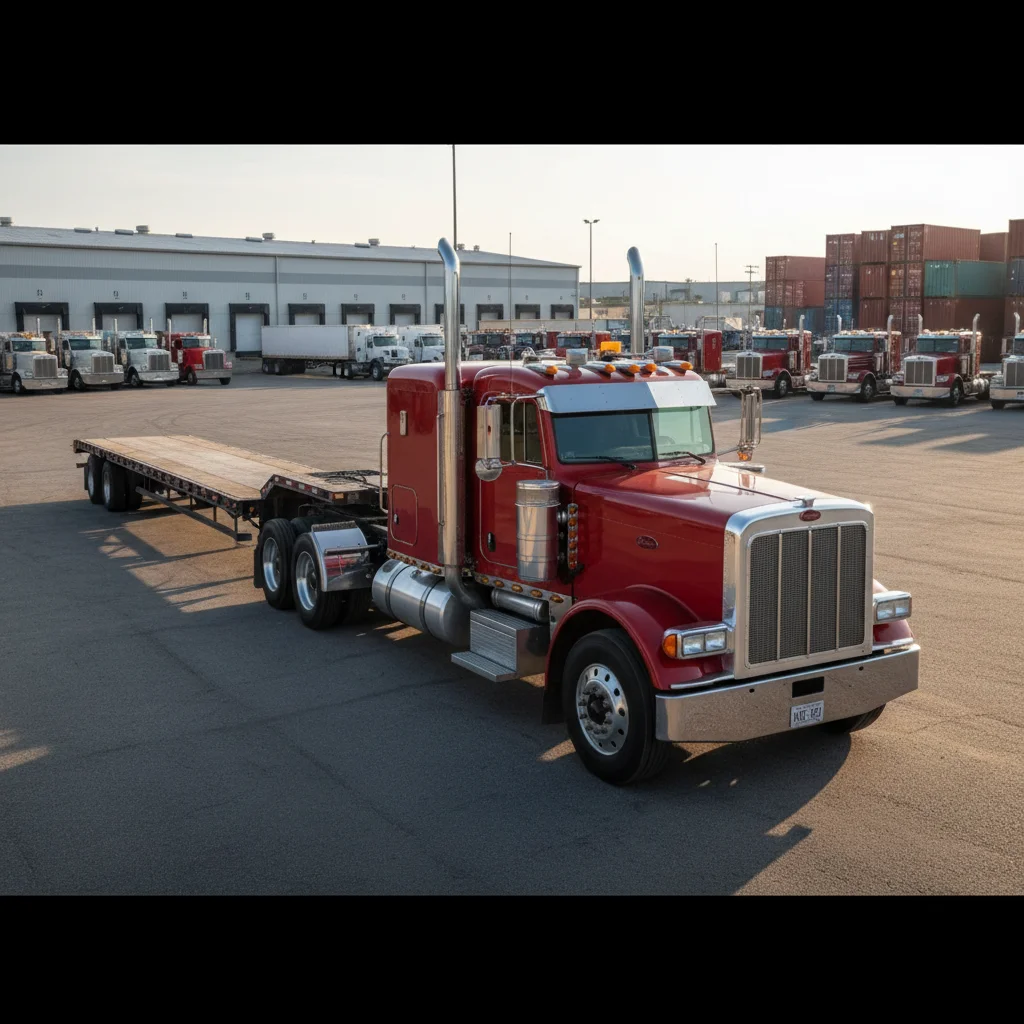
Introduction: Navigating the Modern Trucking Landscape with Timeless Technology
In the fast-paced world of trucking and logistics, efficiency and adaptability are paramount. Regulatory changes, particularly the Electronic Logging Device (ELD) mandate, have reshaped how fleets operate, often bringing increased scrutiny and, for some, reduced operational flexibility. However, for forward-thinking carriers, there exists a powerful advantage rooted in a specific, often overlooked, regulatory exception: the ELD exemption for vehicles manufactured before the year 2000.
At [Your Company Name, or simply 'our company' for general applicability], we've strategically harnessed this 'ELD Exempt Advantage' by integrating a fleet of meticulously maintained 1999 Peterbilts. These iconic machines aren't just about classic style; they represent a significant operational edge, offering unparalleled delivery flexibility that directly translates into superior service for our clients and enhanced quality of life for our dedicated drivers. This article will delve into the intricacies of the ELD exemption, illuminate the enduring appeal of the 1999 Peterbilt, and demonstrate how this strategic choice empowers us to deliver exceptional results in a demanding industry.
Understanding the ELD Mandate: A Quick Refresher
The ELD mandate, enforced by the Federal Motor Carrier Safety Administration (FMCSA), came into full effect in December 2017 (following earlier phases). Its primary goal was to improve road safety by ensuring commercial truck drivers accurately record their Hours of Service (HOS). Before ELDs, many drivers used paper logbooks, which were susceptible to errors and, in some cases, intentional falsification, leading to driver fatigue and increased accident risk.
What is an ELD?
- An ELD is a device that automatically records a driver's driving time and HOS status.
- It connects to the vehicle's engine to monitor driving activity.
- It synchronizes with the driver's HOS records and can transmit data to law enforcement.
While the mandate has undeniably contributed to greater compliance with HOS rules, it has also introduced new challenges. Drivers accustomed to making dynamic, on-the-fly decisions based on traffic, weather, or shipper delays often find their flexibility curtailed by the strict, real-time clock of an ELD. This can lead to increased detention times, missed appointments, and a general feeling of being micromanaged.
The Golden Loophole: Who is ELD Exempt?
Not every commercial motor vehicle (CMV) is required to have an ELD. The FMCSA provides several exemptions, and one of the most impactful for strategic fleet management is the 'vehicle manufacturing year' exemption.
Key ELD Exemptions:
-
Pre-2000 Model Year Vehicles: This is the cornerstone of our strategy. Commercial motor vehicles with an engine model year of 1999 or older are exempt from the ELD mandate. This means these vehicles can continue to use paper logs or automatic onboard recording devices (AOBRDs) that meet specific, less stringent requirements than ELDs.
-
Short-Haul Drivers: Drivers who operate within a 150 air-mile radius, do not exceed 14 hours on duty, and return to their normal work reporting location each day, may be exempt if they keep timecards for 30 days.
-
Driveaway-Towaway Operations: Drivers delivering a vehicle in a driveaway-towaway operation where the driven vehicle is part of the shipment.
-
Non-CDL Required Operations: Drivers who are not required to hold a Commercial Driver's License (CDL) for their operation.
For us, the pre-2000 vehicle exemption is the game-changer. It allows our 1999 Peterbilts to operate without the constraints of an ELD, offering a level of operational agility that newer fleets simply cannot match.
The Enduring Appeal of the 1999 Peterbilt: More Than Just a Date
Why specifically 1999 Peterbilts? Beyond the ELD exemption, these trucks represent a golden era of trucking, renowned for their design, durability, and driver-centric features.
A Legacy of Reliability and Performance:
-
Mechanical Simplicity: Pre-emission engines (like the legendary Caterpillar 3406E or Cummins N14) are often lauded for their mechanical simplicity compared to their modern counterparts with complex emissions systems (DEF, DPF, EGR). This translates to easier maintenance, fewer sensor-related issues, and often, lower repair costs.
-
Robust Build Quality: Peterbilt trucks from this era were built to last. Their classic styling, durable frames, and high-quality components have allowed many of them to remain workhorses on the road for decades.
-
Driver Comfort and Preference: Many veteran drivers prefer the ergonomics and feel of older Peterbilts. The spacious cabs, classic dash layouts, and often superior visibility contribute to a more comfortable and less fatiguing driving experience, particularly on longer hauls or demanding routes.
-
Cost-Effectiveness: While an upfront investment is still required, the initial purchase cost of a well-maintained 1999 Peterbilt is significantly lower than a new truck. Furthermore, potential savings can be realized in ELD subscription fees (which can range from $20-$50 per truck per month, adding up to hundreds or thousands annually for a fleet), and potentially lower insurance premiums depending on the carrier and usage.
By investing in and meticulously maintaining these classic trucks, we're not just complying with regulations; we're embracing a philosophy of smart, sustainable operation that prioritizes both efficiency and driver satisfaction.
Unlocking Unparalleled Delivery Flexibility: The Core Advantage
The true power of an ELD-exempt fleet lies in its operational flexibility. This isn't about bypassing HOS rules – those still apply – but rather about managing them with a greater degree of real-time adaptability.
1. Optimized Route Planning & Scheduling
-
Dynamic Adjustments: Without an ELD constantly ticking down the clock, our dispatchers and drivers can make real-time decisions to bypass unexpected traffic jams, re-route around bad weather, or respond to last-minute changes from shippers or receivers without immediately risking HOS violations. This can be critical for time-sensitive deliveries.
-
Improved Customer Service: This adaptability means fewer delays, more precise delivery windows, and the ability to accommodate urgent requests that might be impossible for ELD-equipped fleets.
2. Enhanced Driver Autonomy & Job Satisfaction
-
Reduced Stress: The constant pressure of an ELD countdown can be a major source of stress for drivers. Our ELD-exempt drivers report feeling more in control of their day, able to manage their HOS proactively rather than reactively.
-
Greater Flexibility in Daily Workflow: Drivers can adjust their breaks or stops more fluidly based on personal needs, fatigue levels, or available facilities, fostering a better work-life balance within HOS limits. This increased freedom often leads to higher driver retention rates.
3. Reduced Administrative Burden
-
Simpler Logging: While still required to track HOS, drivers of ELD-exempt vehicles can use traditional paper logbooks or compliant AOBRDs. This eliminates the complexities of ELD data transfers, potential device malfunctions, and the need for constant software updates.
-
Less Technical Hassle: Fewer technical issues related to device connectivity, GPS accuracy, or software glitches mean more focus on the road and less time troubleshooting.
4. Agility in Unforeseen Circumstances
-
Mitigating Delays: When a shipper takes longer than expected to load or unload, or a road closure causes a significant detour, ELD-equipped drivers can quickly run out of drive time, leading to costly delays and HOS violations. Our ELD-exempt drivers have more leeway to manage these situations without immediately hitting a hard stop.
-
Responsive Service: This agility is particularly valuable in industries with unpredictable schedules or routes, allowing us to maintain commitments even when the unexpected occurs.
5. Specialized Hauls & Niche Markets
-
Short-Haul & Regional Expertise: While the 150 air-mile short-haul exemption exists, an ELD-exempt truck offers even greater peace of mind for regional operations that might occasionally stretch beyond that radius or require varied daily schedules.
-
Emergency & On-Demand Services: For urgent or unscheduled deliveries, the ability to adapt without rigid ELD constraints can be a critical competitive advantage.
The estimated impact of these advantages can be significant. Industry analysis (estimates vary, but often cited by owner-operators) suggests that the flexibility afforded by non-ELD operations can lead to a 10-15% increase in effective driving time over a week, simply by better navigating minor delays and optimizing breaks, leading to more deliveries or higher utilization.
Practical Tips for Leveraging Your ELD Exempt Fleet
Operating an ELD-exempt fleet isn't a license to ignore regulations; it's an opportunity to optimize within them. Here’s how to maximize the advantage:
1. Meticulous Paperwork & Record-Keeping
-
HOS Compliance is Still Key: Drivers must still accurately track their Hours of Service using paper logbooks or a compliant AOBRD. This requires discipline and understanding of HOS rules.
-
Comprehensive Documentation: Ensure all supporting documents (fuel receipts, bills of lading, toll receipts) are kept and match logbook entries. This is your primary defense during roadside inspections.
2. Regular & Proactive Maintenance is Non-Negotiable
-
Longevity Requires Care: Older trucks, no matter how robust, require consistent and thorough maintenance. Implement a rigorous preventative maintenance schedule.
-
Expert Mechanics: Invest in mechanics who are knowledgeable about older engines and vehicle systems. Parts for 1999 Peterbilts are generally still readily available, but expertise in their unique quirks is invaluable.
-
Pre-Trip and Post-Trip Inspections: Emphasize the importance of thorough daily inspections to catch minor issues before they become major problems, ensuring safety and uptime.
3. Driver Training & Education
-
HOS Mastery: Ensure all drivers are experts in HOS regulations. Without an ELD to automatically flag violations, the responsibility falls squarely on the driver and dispatch.
-
Logbook Accuracy: Provide ongoing training on accurate paper logbook completion and the importance of supporting documents.
-
Embrace the Freedom Responsibly: Educate drivers on how to use their increased flexibility wisely – to optimize their day and enhance safety, not to circumvent rules.
4. Strategic Dispatching
-
Maximize Flexibility, Don't Abuse It: Dispatchers should understand the operational advantages and strategically assign ELD-exempt trucks to routes where flexibility provides the greatest benefit.
-
Realistic Planning: Even with flexibility, avoid over-scheduling. The goal is efficiency and compliance, not pushing limits that lead to fatigue.
5. Insurance Considerations
-
Discuss with Your Provider: While ELD exemption might offer operational benefits, insurance companies assess risk based on many factors, including vehicle age and maintenance records. Be transparent about your fleet composition and maintenance practices.
Addressing Common Misconceptions
It's vital to clarify what the ELD exemption is, and isn't:
-
"ELD exemption means no HOS rules." This is FALSE. All commercial drivers must adhere to Hours of Service regulations, regardless of their logging method. The exemption only dictates *how* those hours are recorded.
-
"Older trucks are less safe." This is not necessarily true. While modern trucks often have advanced safety features, a well-maintained older truck, subjected to rigorous inspection and driven by a responsible operator, can be just as safe. Our commitment to preventative maintenance ensures our 1999 Peterbilts meet or exceed safety standards.
-
"It's just about dodging regulations." This mischaracterizes the strategy. It's about operating within the letter of the law to achieve a competitive advantage and provide superior service. It's about optimizing efficiency and driver well-being through careful fleet selection.
The Bottom Line: A Smart Strategic Choice for Modern Logistics
In an industry grappling with driver shortages, rising operational costs, and increasing regulatory complexity, the ELD Exempt Advantage offered by a meticulously managed fleet of 1999 Peterbilts stands out as a shrewd strategic choice. It's a testament to the fact that innovation isn't always about the newest technology, but sometimes about intelligently leveraging existing regulations and proven assets.
By embracing these classic workhorses, we provide:
- Unmatched Delivery Flexibility: Allowing for dynamic route adjustments and superior responsiveness.
- Enhanced Driver Experience: Fostering autonomy, reducing stress, and improving retention.
- Operational Efficiency: Streamlining logistics and reducing potential compliance headaches.
- Cost-Effectiveness: Optimizing capital expenditure and recurring operational costs.
Conclusion: Driving Forward with Wisdom and Adaptability
The trucking industry is constantly evolving, but the core principles of reliability, efficiency, and skilled driving remain unchanged. Our commitment to utilizing 1999 Peterbilts as part of our ELD-exempt fleet is a strategic decision that champions these principles. It's a smart blend of classic durability and modern operational savvy, allowing us to offer a distinct advantage in delivery flexibility that benefits both our clients and our valued drivers.
In a world increasingly reliant on timely and adaptable transportation solutions, the ELD exempt 1999 Peterbilt is not a relic of the past; it's a powerful tool for the future, proving that sometimes, the most effective path forward is found by looking back, and leveraging wisdom, not just novelty. Contact us today to learn how our unique fleet can provide the flexible, reliable transportation solutions your business demands.