Introduction: The Intersection of Tradition and Modern Regulation
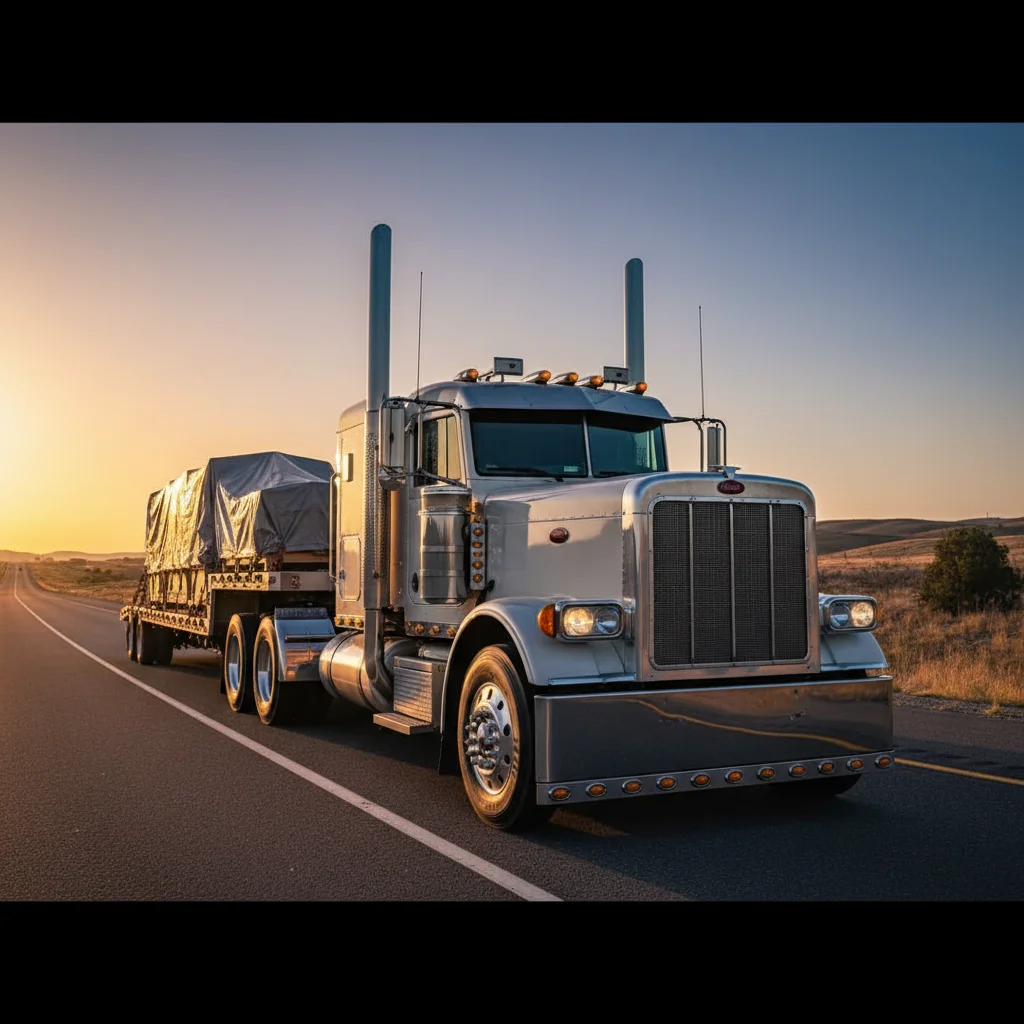
In an era increasingly dominated by digital solutions, the sight of a meticulously maintained Freightliner glider or a classic 1999 Peterbilt on America's highways might seem like a nostalgic nod to the past. Yet, these vehicles, often powered by robust, pre-emissions engines, are more than just relics; they represent a strategic choice for many owner-operators and smaller fleets. And hand-in-hand with their enduring appeal often comes another seemingly anachronistic practice in modern logistics: the use of paper logs.
The trucking industry, like many others, has undergone a significant digital transformation, particularly with the mandate for Electronic Logging Devices (ELDs). However, not all trucks, and not all operations, are created equal. For specific categories of vehicles, most notably those manufactured before the year 2000, the requirement for an ELD does not apply. This crucial exemption opens a legitimate pathway for paper logs, offering a unique set of advantages and challenges that savvy trucking professionals can leverage.
This comprehensive article will delve into the world of Freightliner gliders and 1999 Peterbilts, exploring their mechanical allure, regulatory standing, and, most importantly, how the intelligent, compliant use of paper logs can still be a powerful tool in today's complex logistics landscape. We'll examine the 'why' behind their continued relevance, the specific ELD exemptions, practical tips for staying compliant, and how these operations fit into the broader modern supply chain.
The Enduring Appeal of Freightliner Gliders
What Exactly is a Glider Kit?
A glider kit, in the simplest terms, is a new truck chassis, cab, and front axle assembly, typically sold without a powertrain (engine, transmission, and rear axles). The purchaser then installs a refurbished or rebuilt engine, transmission, and rear axles, often sourced from an older truck. Freightliner has been a prominent manufacturer of glider kits, offering models that allow for this unique blend of new and old.
Why Gliders Captured the Market
The popularity of glider kits surged for several compelling reasons, particularly before significant regulatory changes impacted their production and use:
- Cost-Effectiveness: Gliders offered a more affordable alternative to a brand-new, fully equipped truck. By reusing a proven, often rebuilt, powertrain, operators could save substantial capital.
- Pre-Emissions Engines: This was arguably the biggest draw. Many gliders were built to accommodate older, pre-emission certified engines (e.g., Detroit Diesel Series 60, Cummins N14, Caterpillar 3406E). These engines were renowned for their mechanical simplicity, reliability, easier maintenance, better fuel economy (in some cases, due to lack of emissions controls), and, crucially, no need for Diesel Exhaust Fluid (DEF) or complex Diesel Particulate Filters (DPF) which can be expensive to maintain and repair.
- Simplicity and Durability: Older engines often have fewer electronic components, making them easier for skilled mechanics to diagnose and repair. This translates to less downtime and lower maintenance costs for owner-operators.
- Familiarity: Many veteran drivers preferred the feel and operation of these classic powertrains, valuing their proven performance over newer, often more complex, systems.
Regulatory Headwinds for Gliders
While gliders offered significant advantages, their regulatory landscape became more complicated. In 2016, the EPA issued new regulations effectively treating glider kits as new trucks for emissions purposes if the engine was not originally certified for the chassis it was installed in, or if the engine was remanufactured. This significantly curbed the ability to install older, pre-emissions engines into new glider kits, effectively making most modern glider kits subject to current emissions standards. However, pre-existing gliders (those built and put into service before these regulations took full effect, or those with engines certified for their specific application) continue to operate under their original manufacturing rules, providing a window for ELD exemptions if their engine’s manufacturing date predates 2000.
The Timeless Appeal of 1999 Peterbilts and Their Kin
Built to Last: Why Older Trucks Endure
Beyond gliders, specifically mentioning 1999 Peterbilts highlights another category of vehicles that are extremely relevant to the paper log discussion: pre-2000 model year trucks. Peterbilt, a brand synonymous with quality and tradition, produced trucks in 1999 that are still highly sought after today. The reasons for their longevity mirror many of the glider kit advantages:
- Mechanical Robustness: These trucks were built with fewer complex electronic systems than their modern counterparts. This often translates to simpler diagnostics and repairs, and a reputation for being 'bulletproof' if properly maintained.
- No Emissions Controls: A 1999 Peterbilt, by its very nature, was manufactured before the stringent emissions regulations that introduced DPF, DEF, and other complex aftertreatment systems. This means lower operating costs and fewer potential points of failure related to emissions systems.
- Owner-Operator Pride: There's a certain pride and aesthetic appeal to classic trucks. Many owner-operators invest heavily in maintaining and customizing their older Peterbilts, turning them into rolling advertisements of their dedication to the craft.
- Lower Depreciation: While a new truck rapidly depreciates, a well-maintained older truck, especially a desirable model, can hold its value surprisingly well, sometimes even appreciating if it's a sought-after classic.
The ELD Mandate and Its Crucial Exemptions
Understanding the ELD Rule
The Electronic Logging Device (ELD) mandate, implemented by the Federal Motor Carrier Safety Administration (FMCSA), requires most commercial drivers who are required to prepare Records of Duty Status (RODS) to use an ELD. The primary goal is to improve compliance with Hours of Service (HOS) rules, reduce driver fatigue, and enhance overall road safety.
ELDs automatically record driving time, engine hours, vehicle movement, and location information. While offering benefits like improved compliance tracking and streamlined record-keeping, they also come with upfront costs, monthly subscription fees, and a fundamental shift in how drivers manage their time, which some find restrictive or intrusive.
Where Paper Logs Still Hold 'Power': The Exemptions
This is where the 'power' of paper logs in modern logistics truly resides – in the legally recognized exemptions to the ELD mandate. For operators of Freightliner gliders and 1999 Peterbilts, understanding these exemptions is paramount.
The FMCSA lists several scenarios where a driver is exempt from using an ELD. The most pertinent for our discussion are:
- 1. Drivers who use paper RODS for not more than 8 days in any 30-day period: This exemption is generally for drivers who usually don't need RODS but occasionally do. It's less relevant for full-time drivers of pre-2000 trucks.
- 2. Drivers of vehicles manufactured before model year 2000: This is the cornerstone exemption for our 1999 Peterbilts and many Freightliner gliders. If the *vehicle's engine* (not just the chassis) has a manufacturing date of 1999 or earlier, it is exempt from the ELD mandate. This means these vehicles can legally continue to use paper logs to record their HOS.
- 3. Drivers who conduct drive-away/tow-away operations: This applies when the vehicle being driven is the commodity being delivered (e.g., driving a new truck chassis to a customer).
- 4. Drivers operating under the 100 air-mile radius short-haul exception: These drivers are not required to keep RODS at all, provided they meet specific criteria (return to starting location within 12 hours, don't exceed 11 hours driving, have 10 consecutive hours off duty, etc.). If they *do* exceed the 100 air-mile radius or other criteria more than 8 times in 30 days, they would then need to keep RODS, and if their truck is post-2000, an ELD would be required. However, for a pre-2000 truck, they would use paper logs.
For Freightliner gliders, the key is the *engine's manufacturing date*. Even if the glider kit chassis is newer, if it houses a properly documented engine manufactured before model year 2000, it falls under this exemption. This distinction is critical and must be verifiable by documentation.
The 'Power' of Paper Logs (When Legally Applicable)
For those operating under the pre-2000 vehicle exemption, paper logs, while requiring diligence, offer distinct advantages:
1. Cost Savings
- No Hardware Costs: ELD units themselves can cost hundreds of dollars per truck.
- No Monthly Subscription Fees: The recurring cost of ELD data plans can add up significantly for a small fleet or owner-operator. Eliminating these costs directly impacts the bottom line, enhancing competitiveness.
- Reduced Maintenance/Repair: No electronic devices to malfunction, no software glitches, no connectivity issues.
2. Simplicity and Reliability
- No Technical Issues: Paper logs don't suffer from signal loss, battery drainage, or software updates. They are inherently robust.
- Less Intrusive: Some drivers prefer the privacy and non-tracking nature of paper logs, feeling less 'watched' than with ELDs.
- Direct Control: Drivers have direct control over their entries, allowing for immediate corrections and adjustments (within HOS rules, of course).
3. Flexibility (Within HOS)
While ELDs are designed to enforce HOS strictly, paper logs, when used correctly, can offer perceived flexibility. This isn't about bending rules, but about situations where an ELD's automated logging might be overly rigid:
- Personal Conveyance Nuances: While HOS rules for personal conveyance apply universally, an ELD's automatic logging can sometimes make it feel more restrictive. With paper logs, meticulous record-keeping allows for clear documentation of legitimate personal conveyance.
- Yard Moves: Similar to personal conveyance, careful logging of yard moves (off-duty or on-duty, not driving) can be managed directly without an ELD's default assumptions.
- Managing Off-Duty Time: With paper logs, drivers are responsible for accurate declarations of duty status, which, when properly recorded, offers clarity without automated prompts or timers.
Important Caveat: The 'power' of paper logs does not come from circumventing Hours of Service (HOS) regulations. HOS rules apply equally to all drivers, regardless of logging method. The power lies in the legal exemption, cost savings, and the operational simplicity they offer within those strict legal boundaries.
Practical Tips for Mastering Paper Logs and ELD Exempt Operations
Operating an ELD-exempt truck with paper logs effectively requires discipline, meticulousness, and a thorough understanding of the regulations. Here are actionable tips:
1. Know Your Hours of Service (HOS) Rules Inside and Out
- Study the Regulations: The HOS rules are complex. Understand the 11-hour driving limit, 14-hour duty limit, 30-minute break, 60/70-hour rules, and the 10-hour off-duty requirement.
- Carry a Rulebook: Always have an up-to-date copy of the FMCSA HOS regulations with you.
- Utilize Tools (Non-ELD): Consider using simple HOS calculators or apps that help you track your hours manually without being an ELD.
2. Maintain Impeccable Records
- Daily Logs: Fill out your logbook completely and accurately every day. This includes dates, vehicle information, start/end times, cities/states, total mileage, and duty status changes.
- Supporting Documents: Keep all receipts (fuel, tolls, lodging), bills of lading, dispatch papers, and any other documents that corroborate your logbook entries. These are crucial during an audit.
- Corrections: If you make a mistake, don't erase. Draw a single line through the error, write the correct information, and initial it.
- Retain Past Logs: The FMCSA requires drivers to retain 7 consecutive days of RODS and carriers to retain 6 months of RODS.
3. Prepare for Inspections
- Organize Your Documents: Have your logbook, supporting documents, driver's license, medical card, and vehicle registration readily accessible for inspection.
- Be Courteous and Confident: Present your logs clearly and be able to explain your compliance with HOS rules. Your confidence comes from knowing you're compliant.
- Know Your Rights: Understand what an inspector can and cannot ask for.
4. Verification for Glider Kits
- Engine Documentation: For a glider kit, the most critical piece of documentation is proof of your engine's manufacturing date. This could be an engine serial number that decodes to a pre-2000 manufacturing year, or certified rebuild documentation clearly stating the original engine year. Keep this documentation in the truck.
- VIN Number vs. Engine Number: Remember, the ELD exemption applies to the *engine's* model year, not necessarily the chassis VIN model year for gliders. Ensure you can demonstrate this distinction.
5. Leverage Technology for Management, Not Mandate
Even without an ELD, modern technology can help. Use apps for:
- Route Optimization: Plan efficient routes to maximize driving hours.
- Fuel Management: Track fuel purchases and mileage.
- Communication: Stay in touch with dispatch and customers.
- Digital Document Storage: Scan and digitally store your paper logs and supporting documents for easy retrieval and backup.
6. Understand the Perceptions
While legal, some inspectors, brokers, or shippers might initially view paper logs with more scrutiny, especially if they are accustomed to ELDs. Being impeccably organized and articulate about your compliance can quickly overcome these initial perceptions.
The Role of Paper-Logged Operations in Modern Logistics
In a world increasingly reliant on real-time data and automated processes, where do paper-logged operations fit in? They occupy vital niches within the broader logistics ecosystem.
Niche Markets and Specialized Hauling
Many owner-operators of older, exempt trucks gravitate towards specialized hauling where their unique equipment and lower overhead can be an advantage:
- Heavy Haul: The robust nature of older engines is well-suited for demanding heavy-haul operations.
- Agricultural Hauling: Often involving seasonal work, shorter hauls, or specific equipment needs.
- Local/Regional Deliveries: While the 100 air-mile exemption often applies here, even for longer regional runs, a reliable pre-2000 truck can be cost-effective.
- Dedicated Runs: Some operations benefit from the predictability and familiarity of older equipment on dedicated routes.
Competitive Advantage for Owner-Operators
For owner-operators, the cost savings associated with running an ELD-exempt truck can translate directly into a competitive advantage:
- Lower Operating Costs: No ELD fees, potentially lower maintenance on simpler engines, and no DEF costs directly reduce expenses.
- Flexibility in Bidding: With lower fixed costs, owner-operators might be able to bid more competitively on certain loads, appealing to brokers and shippers looking for cost-effective solutions.
Integration with Larger Fleets and Brokers
While larger fleets are almost universally ELD-compliant, they often still partner with owner-operators or smaller carriers for surge capacity, specialized loads, or niche routes. Brokers, too, work with a vast network of carriers. As long as the paper-logging operator demonstrates full compliance with HOS and safety regulations, they remain a viable and often valuable part of the supply chain.
It's incumbent upon the paper-logging operator to communicate their compliance clearly and maintain a spotless safety record, as this builds trust and opens up opportunities.
The Future: Balancing Tradition with Evolution
The trucking industry is dynamic, constantly evolving with technology and regulations. While the ELD exemption for pre-2000 vehicles currently stands, operators of Freightliner gliders and 1999 Peterbilts should remain vigilant about potential future changes.
- Regulatory Scrutiny: Glider kits, in particular, have faced increased scrutiny regarding emissions. While existing exemptions for pre-2000 engines remain, operators should be aware that the regulatory environment can shift.
- Technological Advancements: The push for further automation, data integration, and connectivity in logistics will continue. While paper logs have their place, understanding how to integrate with digital dispatch systems, freight matching platforms, and other modern tools will be crucial for all carriers.
- The Value of Skill and Experience: Regardless of logging method, the core of trucking remains the skilled driver. The ability to safely and efficiently transport goods, coupled with a deep understanding of regulations, will always be invaluable.
The 'power' of paper logs in modern logistics, when tied to specific, exempt vehicles like Freightliner gliders with pre-2000 engines or classic 1999 Peterbilts, is not a defiance of progress. Instead, it's a testament to strategic operational choices, regulatory nuance, and the enduring value of certain types of equipment and traditional practices within a legally defined framework. It represents an effective blend of reliability, cost-efficiency, and operational simplicity for those who choose this path wisely and compliantly.
Conclusion
The open road, the hum of a well-maintained engine, and the satisfaction of a job done right – these are the timeless elements of trucking. For operators behind the wheel of Freightliner gliders and classic 1999 Peterbilts, this experience is often coupled with the traditional practice of maintaining paper logs. Far from being an outdated anomaly, the use of paper logs in these specific scenarios is a perfectly legal and strategically sound choice, thanks to critical ELD exemptions.
By understanding the mechanics of pre-2000 vehicles, meticulously adhering to Hours of Service regulations, and embracing rigorous record-keeping, these operators unlock significant benefits: reduced operational costs, technical simplicity, and a degree of operational flexibility that can enhance their competitiveness. They demonstrate that in modern logistics, efficiency and compliance don't always demand the newest technology; sometimes, they thrive through the intelligent application of proven methods and equipment within regulatory boundaries.
The blend of traditional iron and diligent paper-based compliance ensures that these vehicles and their dedicated drivers continue to play a vital, often specialized, role in keeping the nation's supply chain moving. For those who choose this path, the power of paper logs, in conjunction with robust, classic trucks, is not just about nostalgia – it's about smart, sustainable business in the modern trucking world.